Chapter 26
Free at last, and Lee asks
Summary
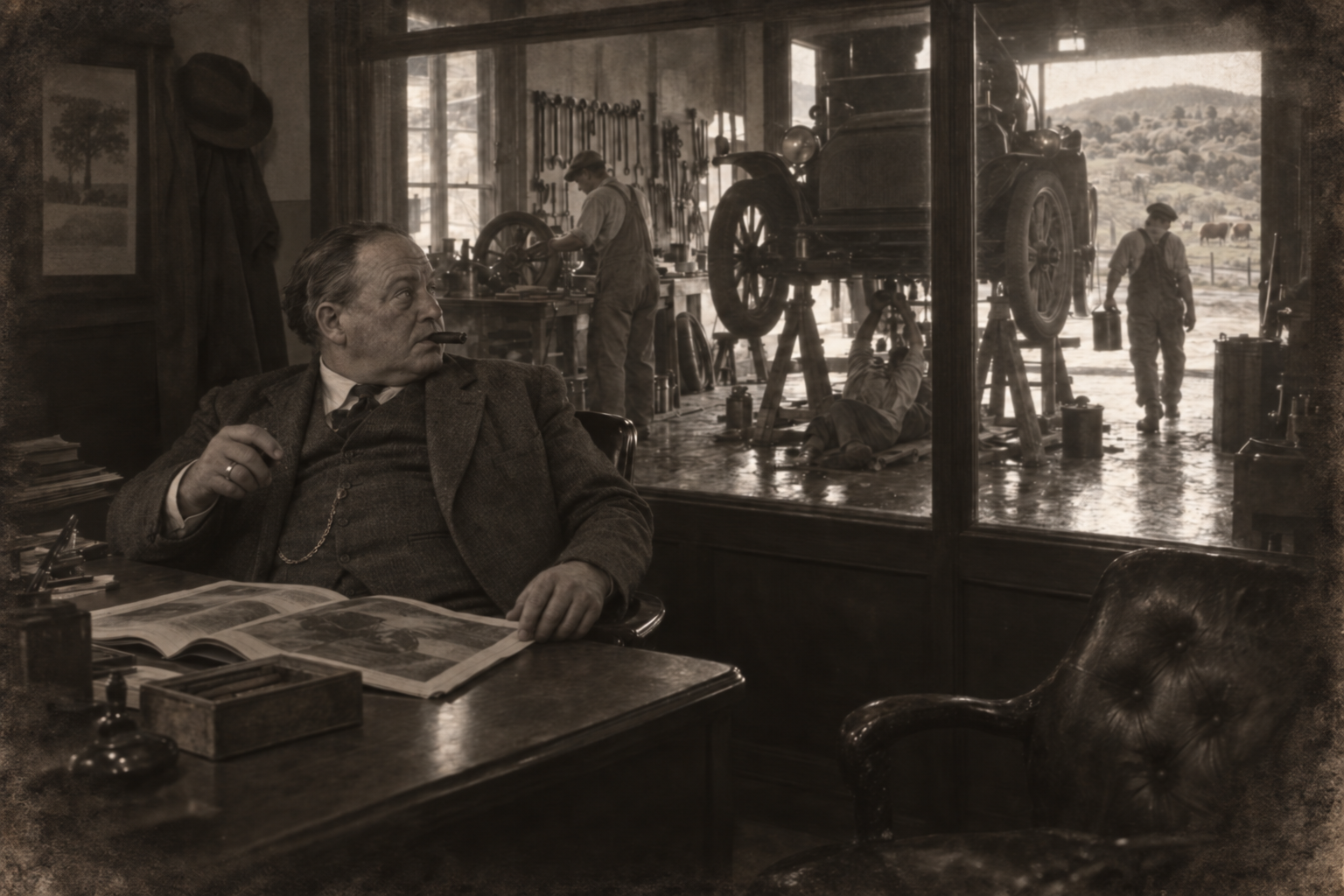
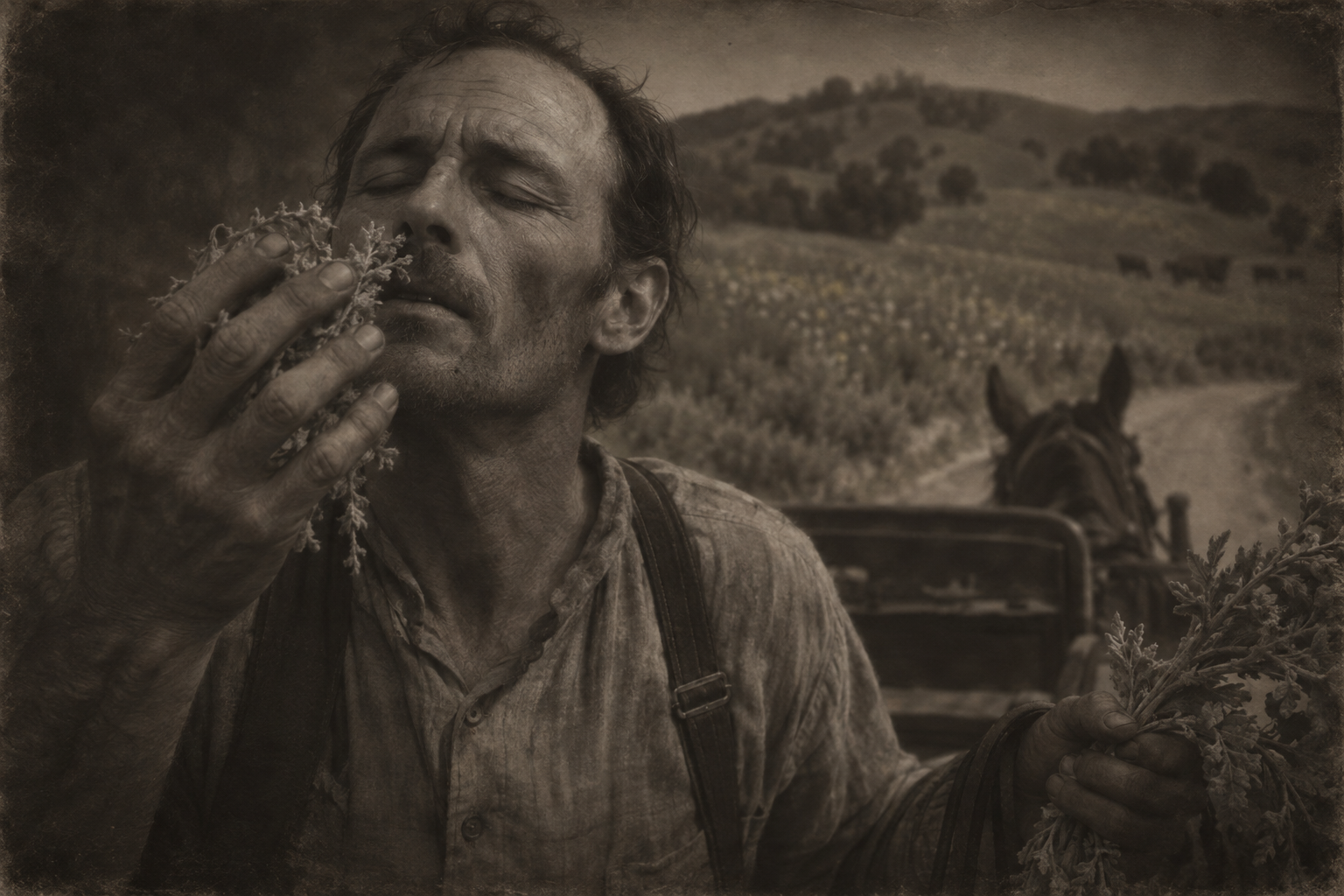
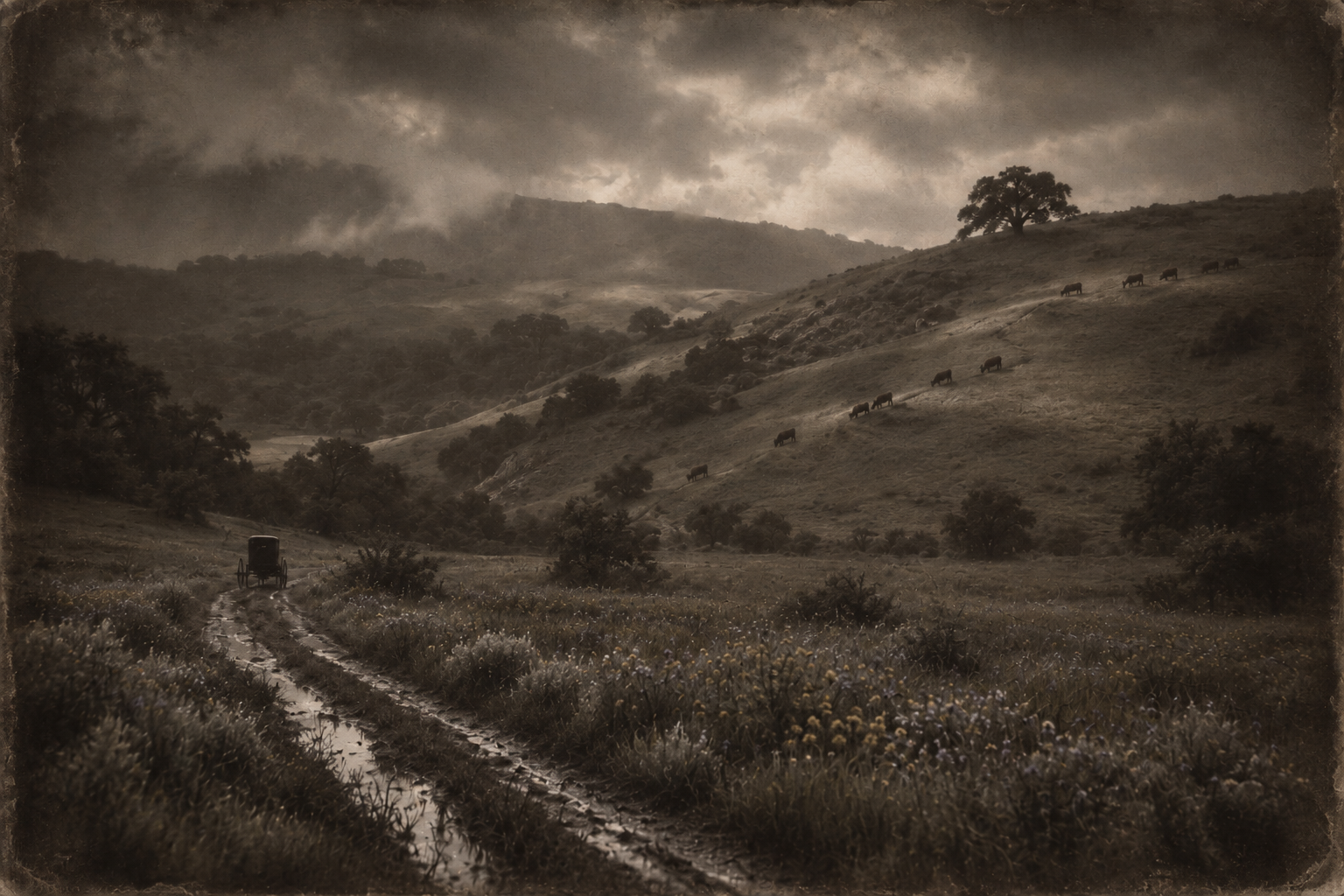
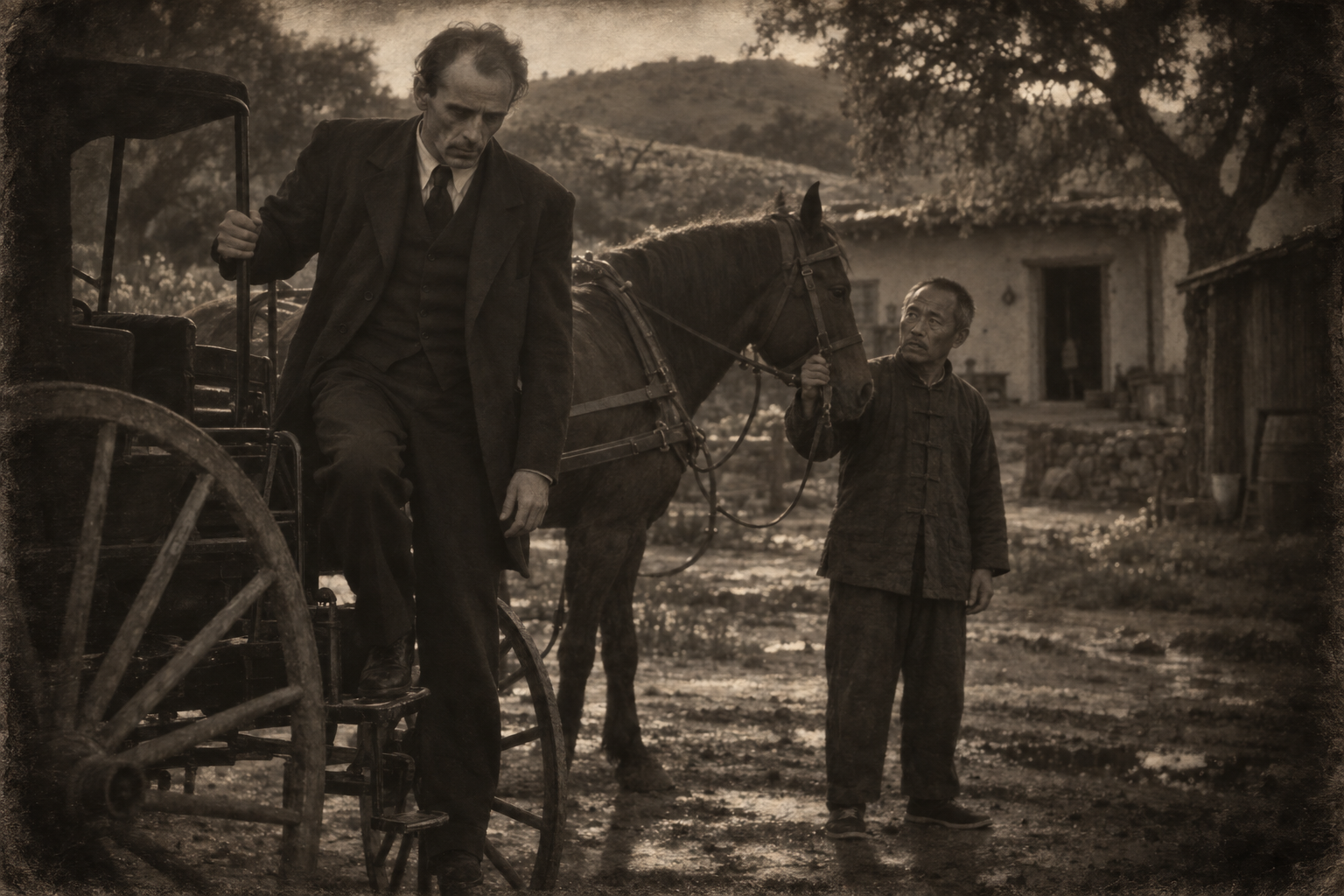
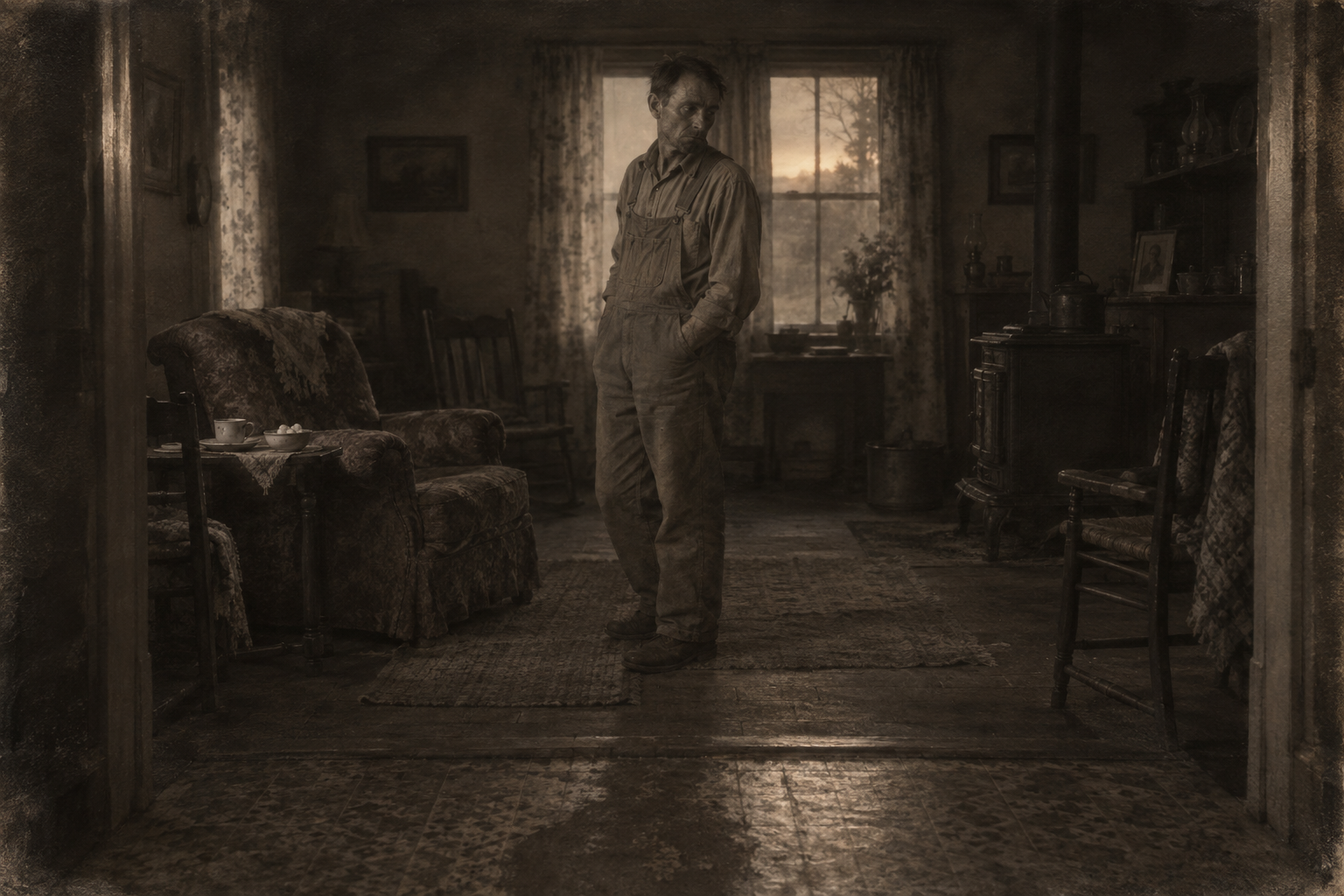
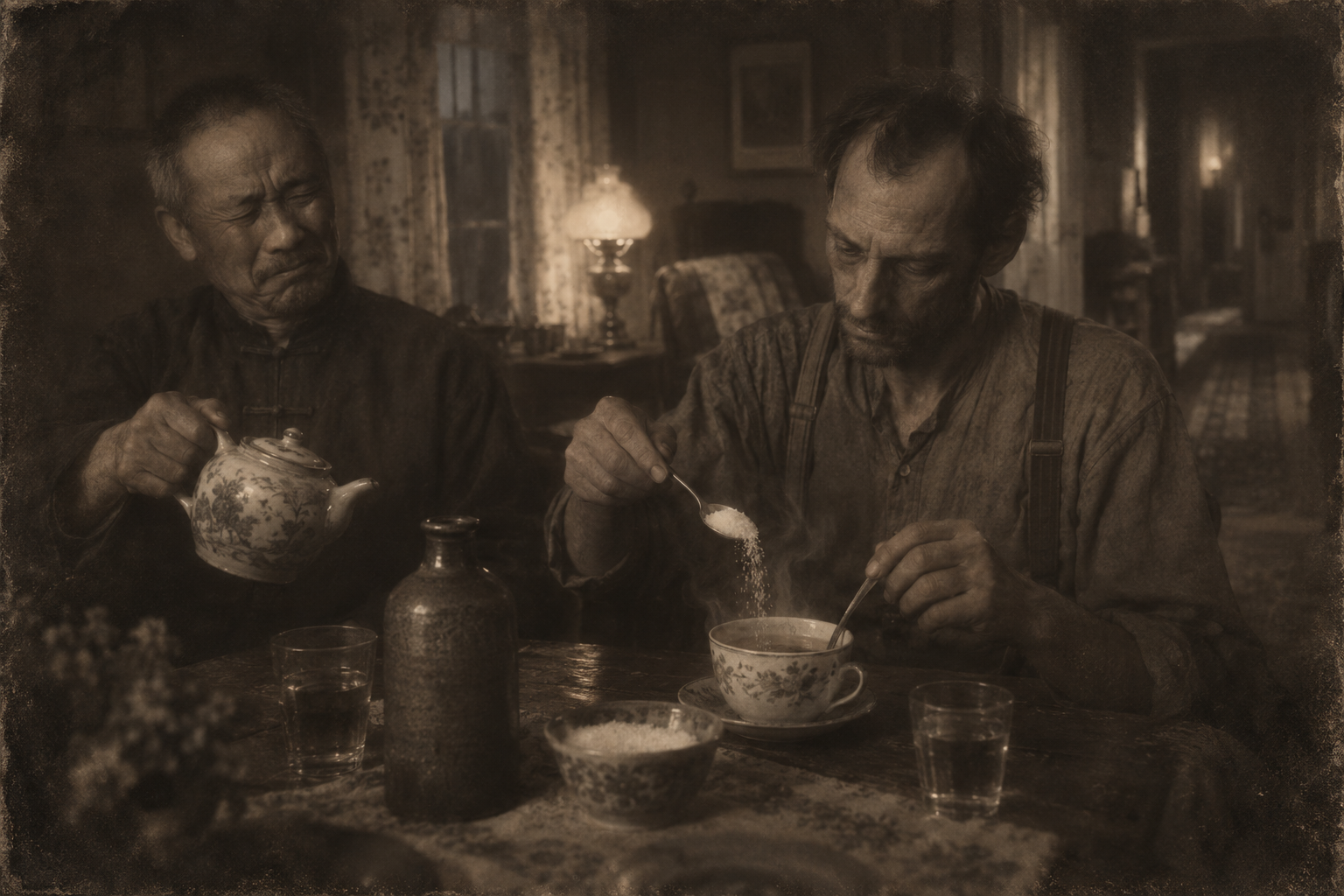
Adam rides home from Salinas expecting grief and finds instead "a hungry gaiety". He stops at Will Hamilton's new garage to order an automobile — the last man in the valley Will would have expected — and hears Will's version of the family: a father always off in the clouds, a mother who fried the chicken for a hundred mourners at her own husband's funeral. Driving home he notices the wildflowers and the red cows on the hillsides and finds himself chanting in time with the horse's feet: "I'm free. She's gone. She's out of me." He scrubs the rum out of his skin, puts on soft blue work clothes, and asks Lee for tea and ng-ka-py. He describes Kate as a creature he cannot believe exists, and says he can live with his boys now. Then Lee asks to be freed too: he has the money saved for the bookshop in San Francisco. Adam admits he wished for a moment that Lee were a slave so he could refuse, agrees, and asks only for time.
Analysis
The chapter measures Samuel's death three ways: Will's, an inventory of a father who was never practical; Adam's, in which the man is more alive than before; and Lee's, which needs no words. Adam's release is written as physical detail — sage sap on the fingers, clean blue overalls — rather than declared. The first use he makes of it is to be asked for someone else's freedom.
Plates