Chapter 16
What Samuel saw in Londonderry
Summary
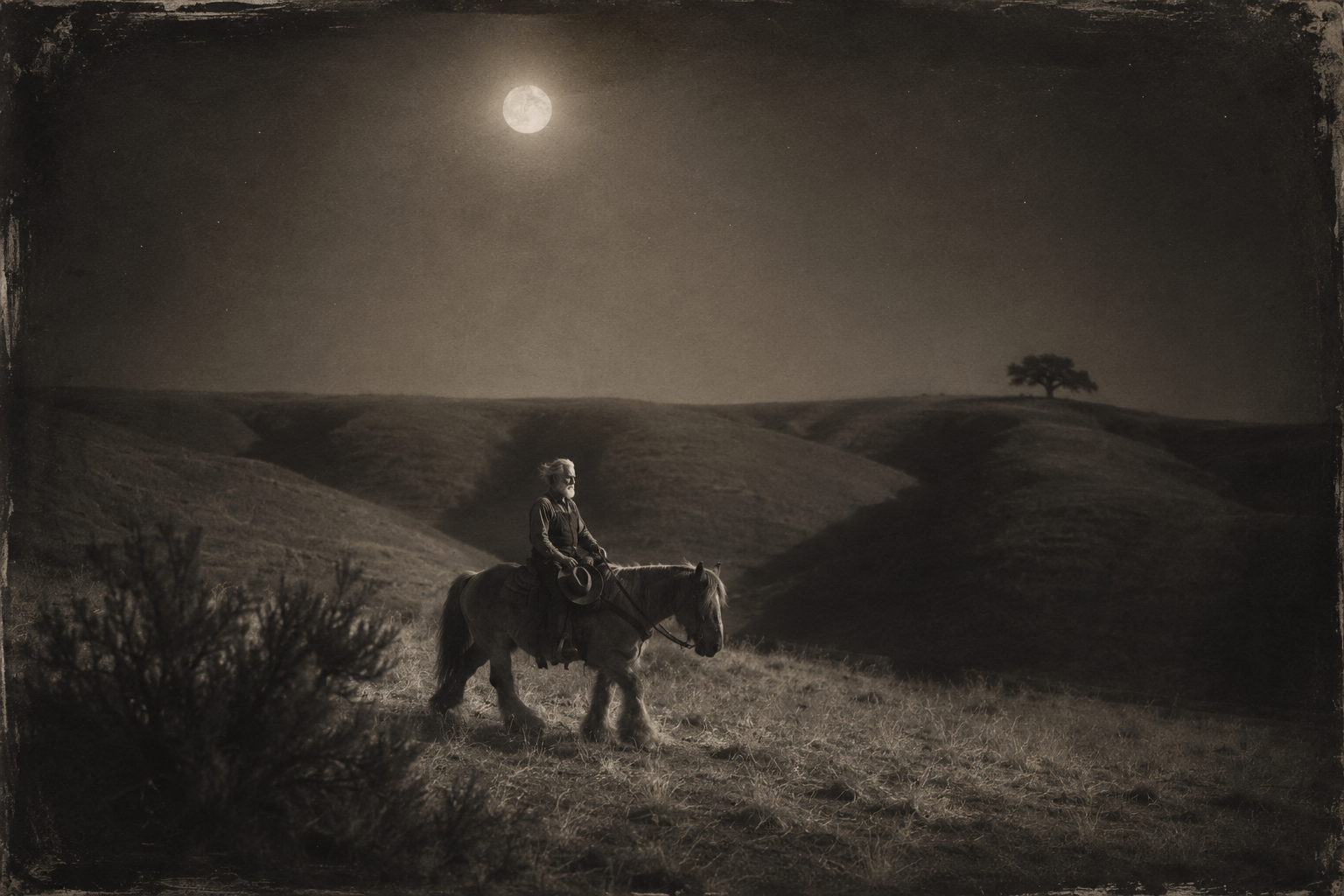
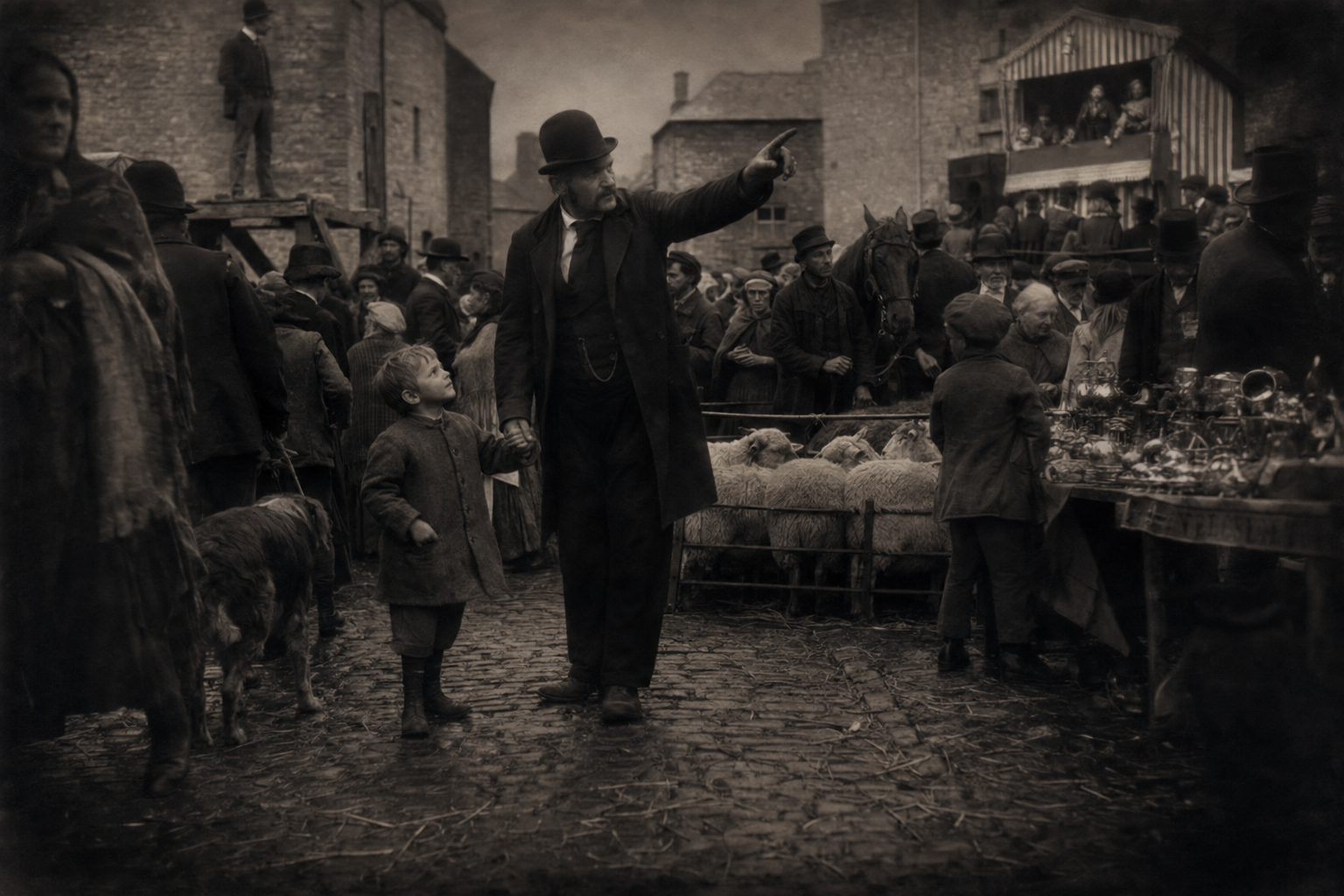
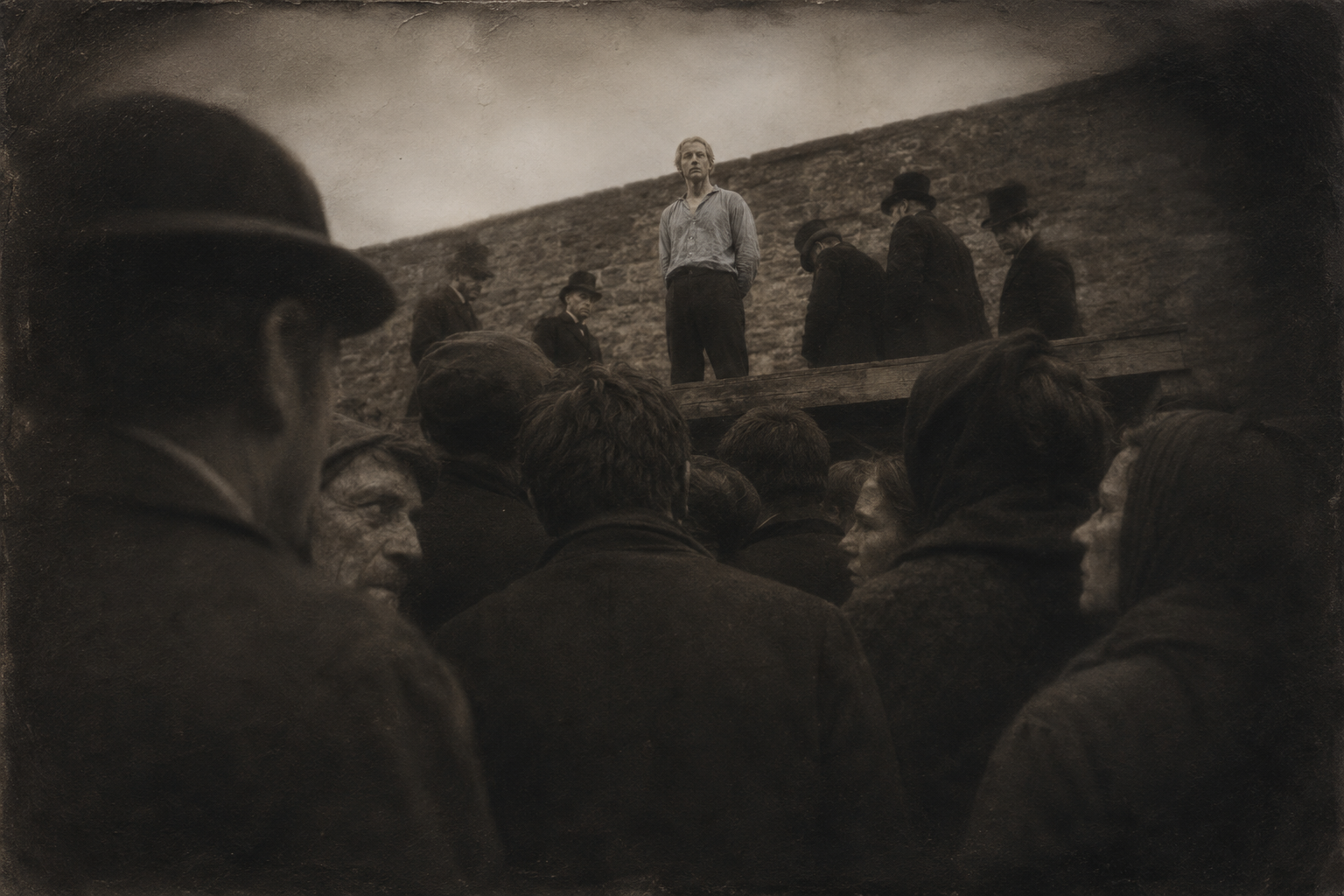
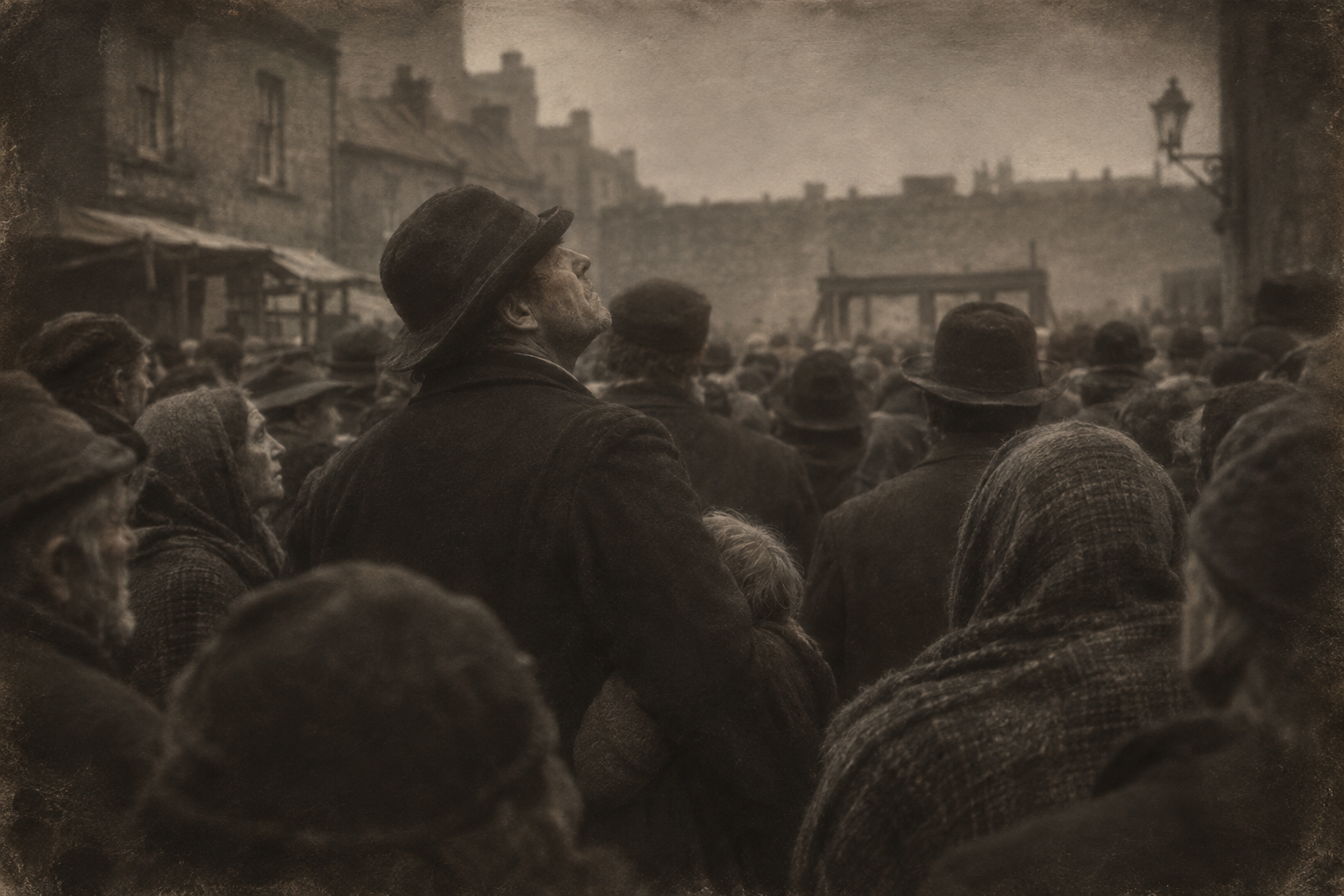
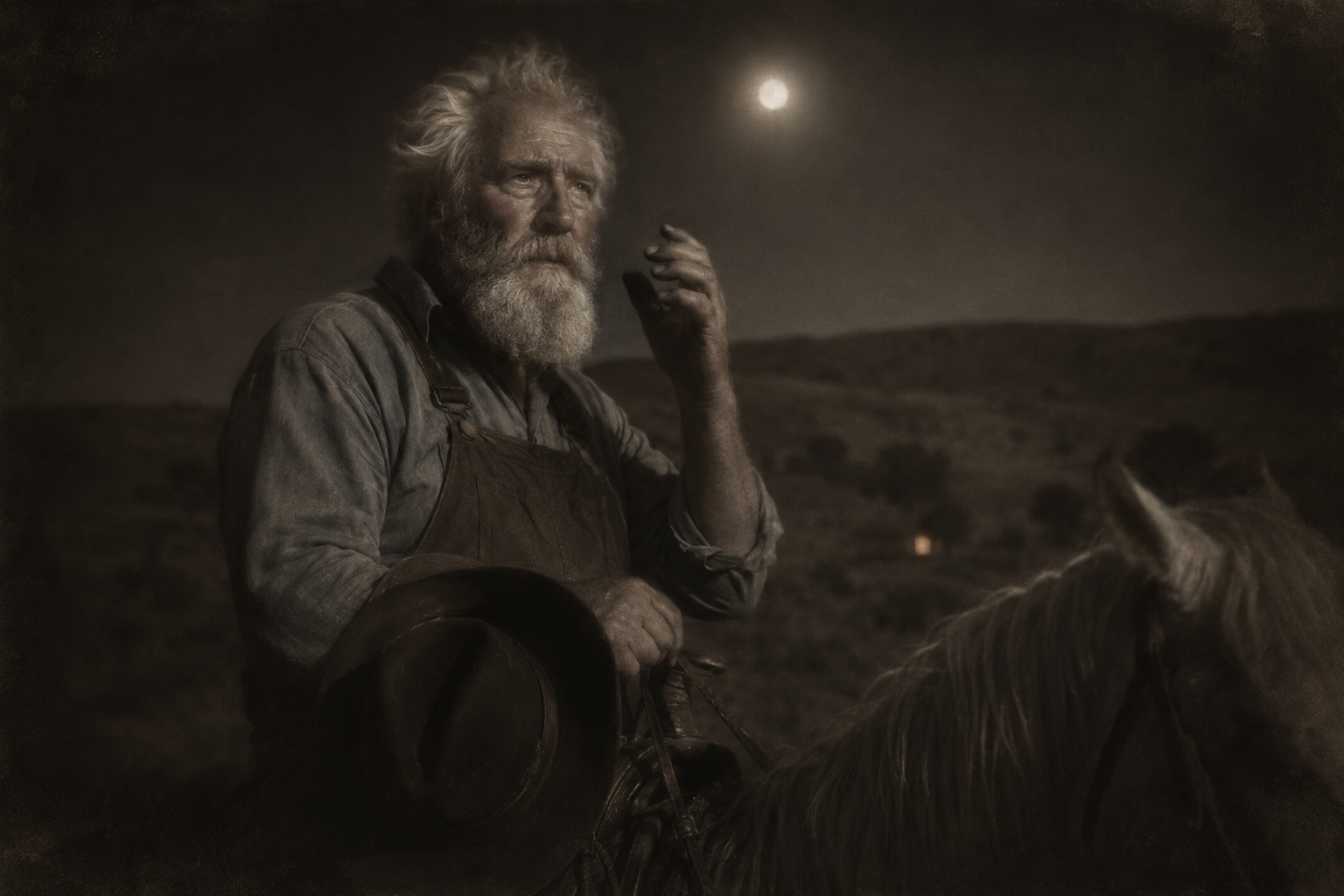
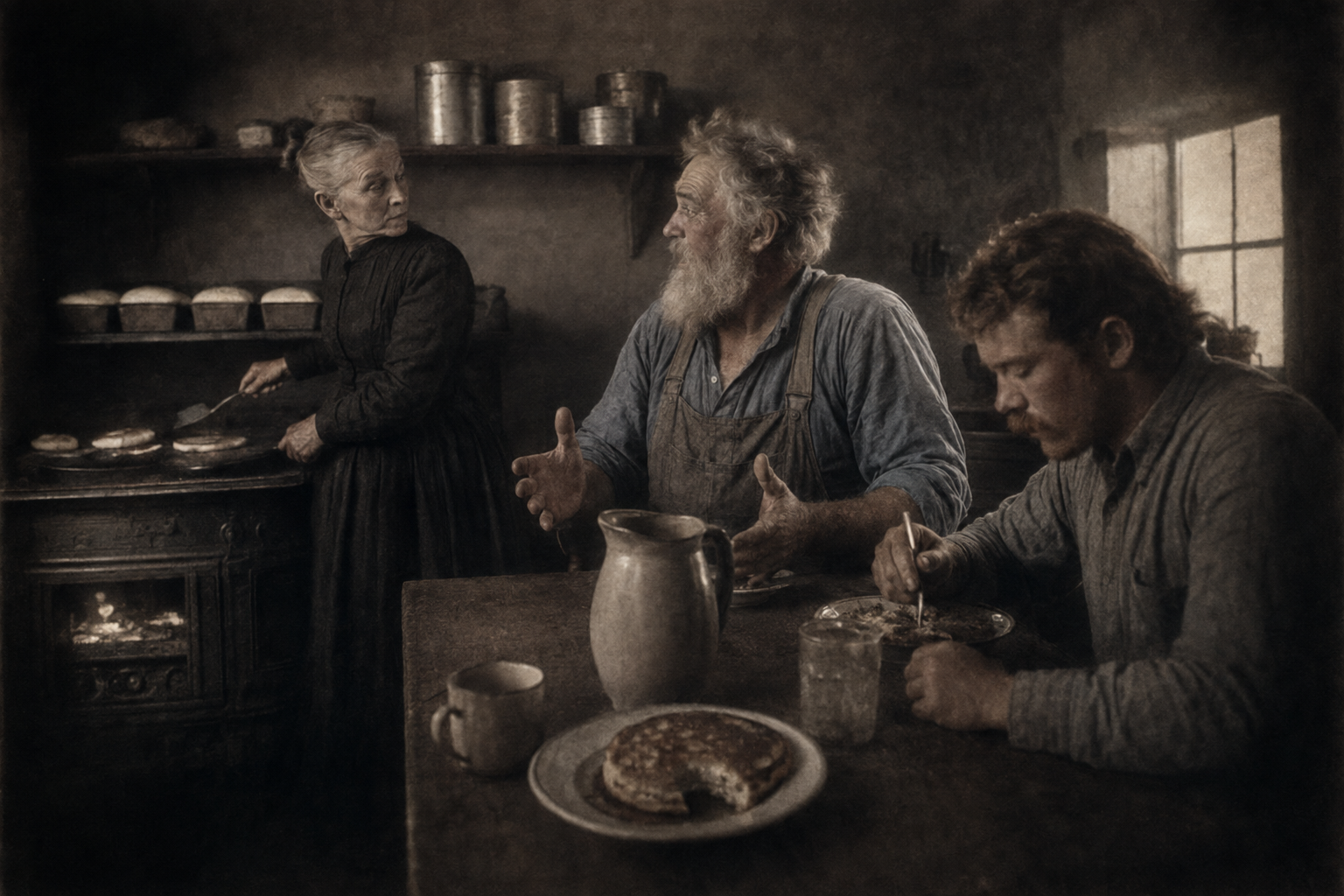
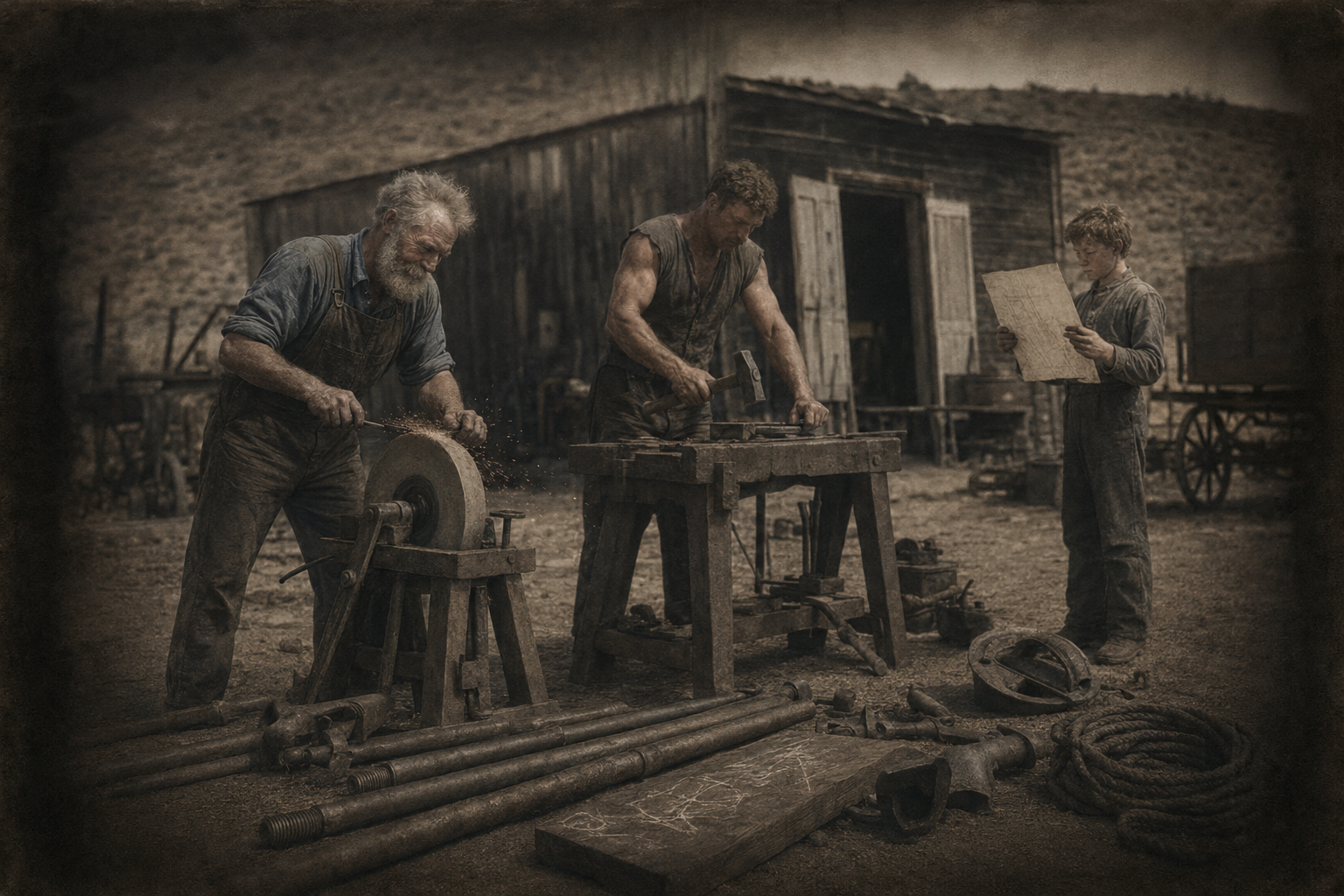
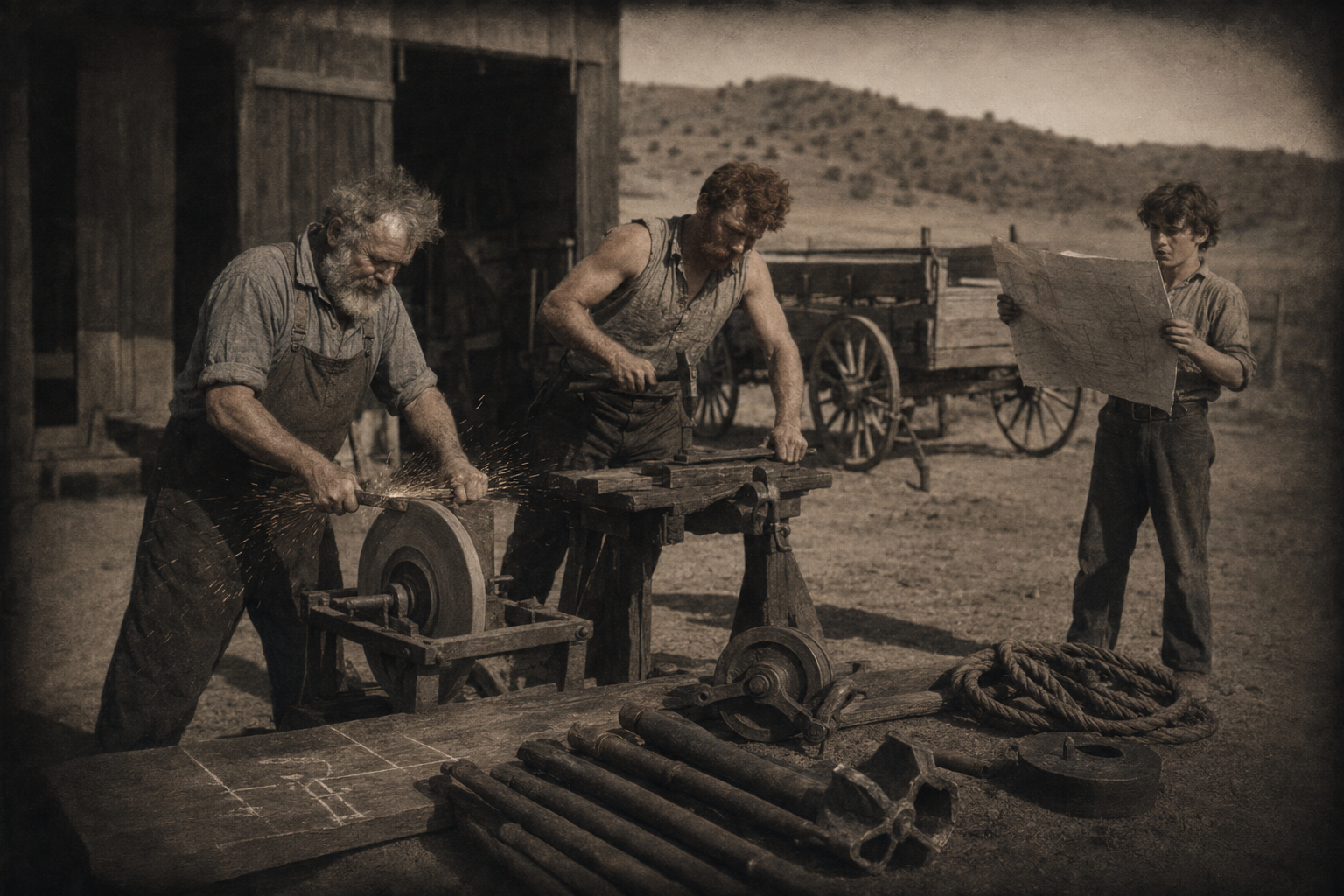
Riding home under a flooding moon, Samuel probes at the world-sadness in his chest — "Welshrats" — until he finds where it started: Cathy's eyes at the supper table, which carry no message and are not human eyes. They call up a buried memory of Londonderry, where his father carried him into a crowd at a fair and could not get out, and a golden-haired man on the gallows looked down at him with a goat's flat eyes before his father clamped both hands over his ears. Ashamed of the comparison, Samuel resolves to help build the Salinas Valley Eden as a guilt-payment for his ugly thoughts. At home Liza cross-examines him over hot cakes about the pig smell she says can never be washed out, what Mrs. Trask wore and, decisively, what she was doing with her hands — nothing, not sewing or knitting. Samuel wins her round with fifty cents a foot for the wells, and two days later the wagon pulls away with Tom and Joe.
Analysis
Samuel's unease is chased backwards until it produces a picture, which is how the book prefers to argue: the hanged man is offered as a comparison and then dismissed by the man who made it. Liza reaches the same verdict by ordinary means — a woman who does nothing with her hands — and neither of them acts.
Plates