Chapter 13
The glory, and a knitting needle
Summary
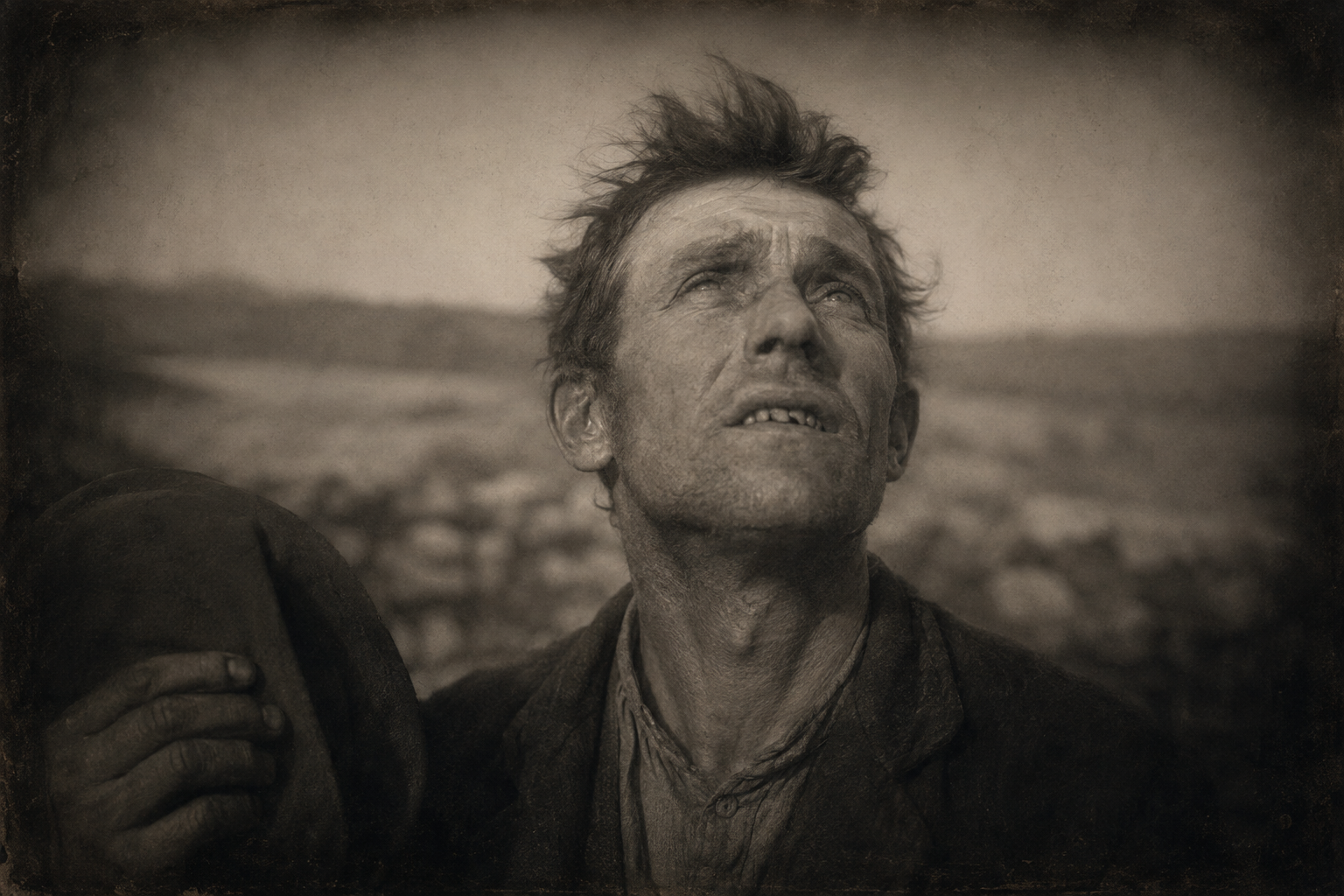
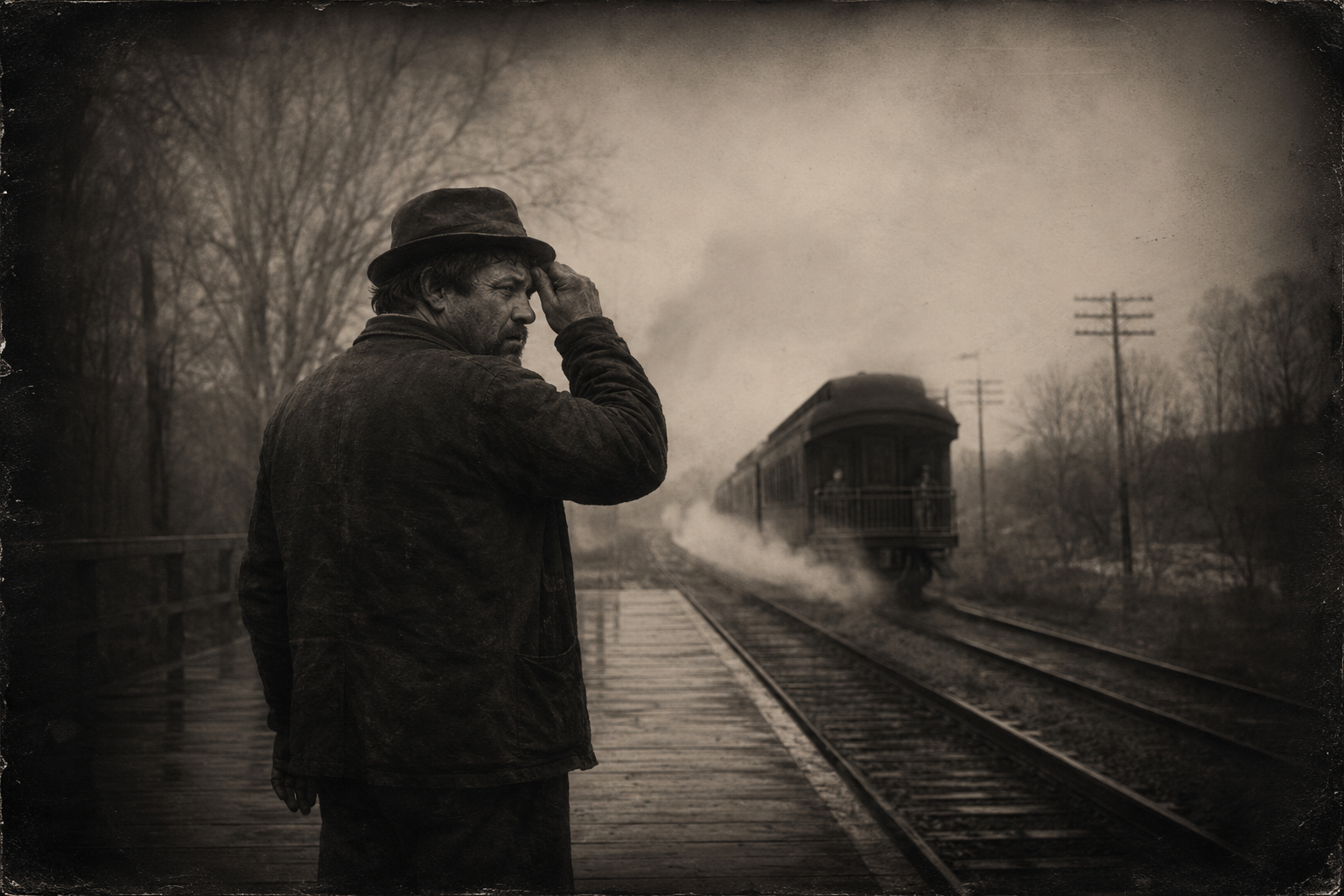
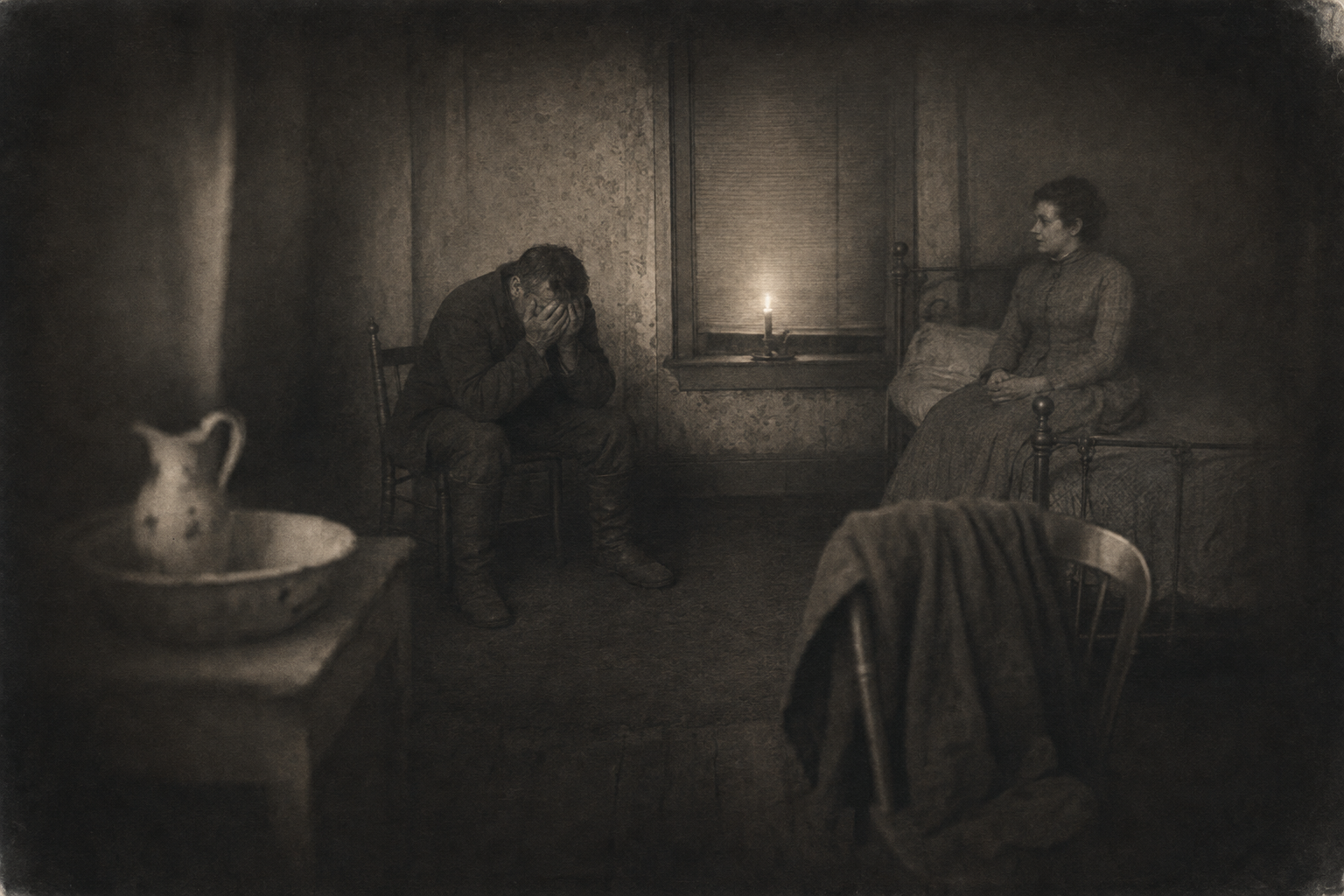
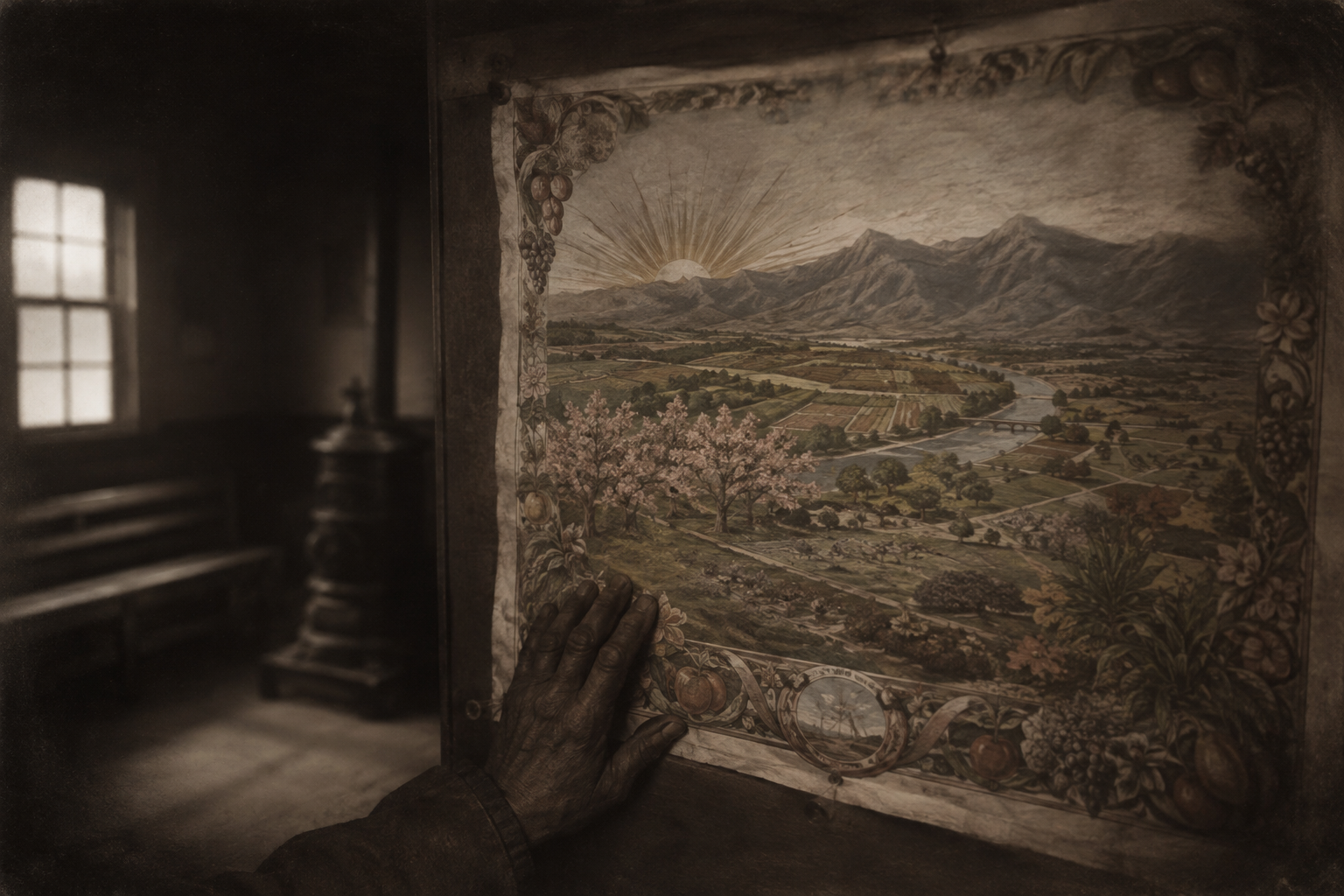
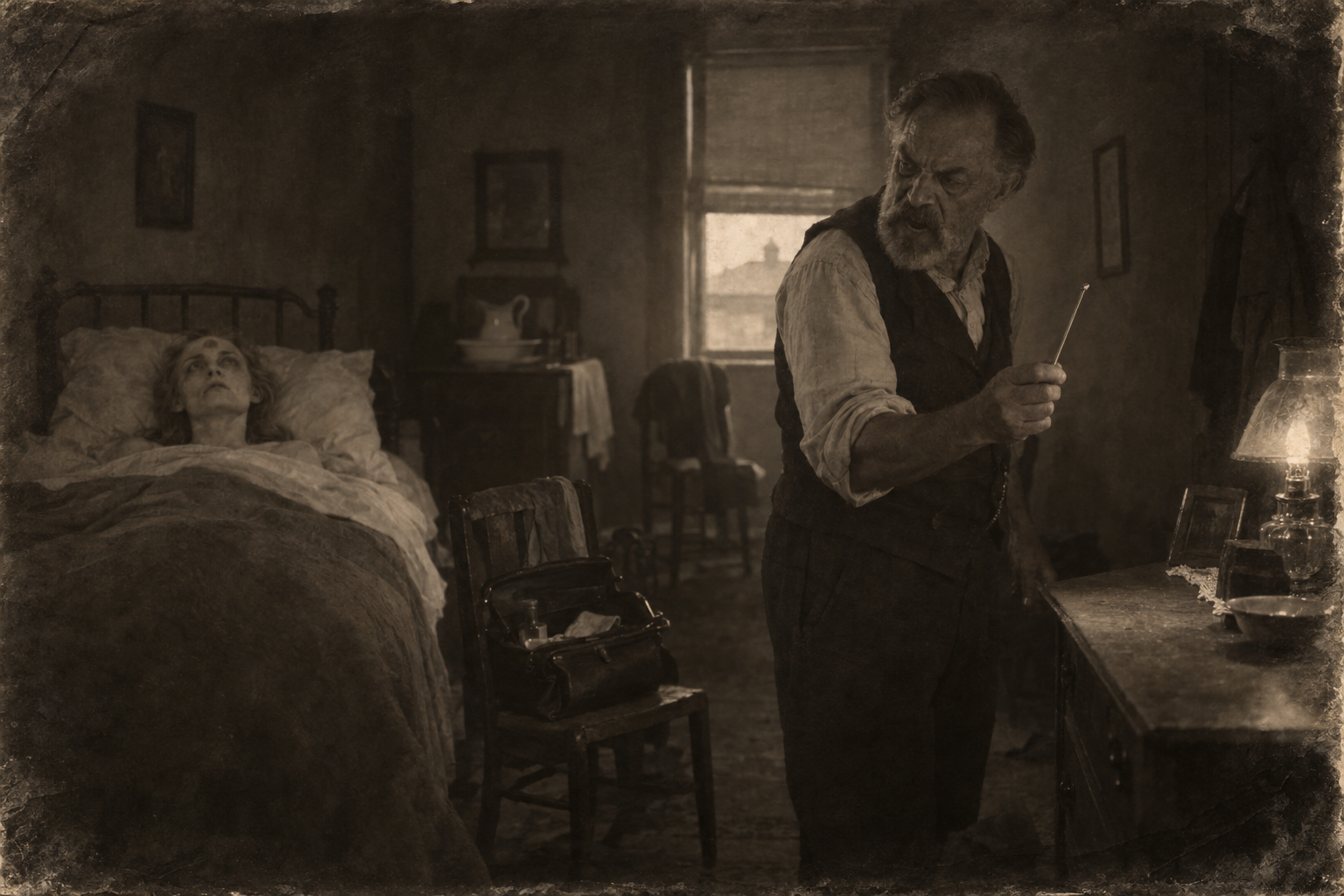
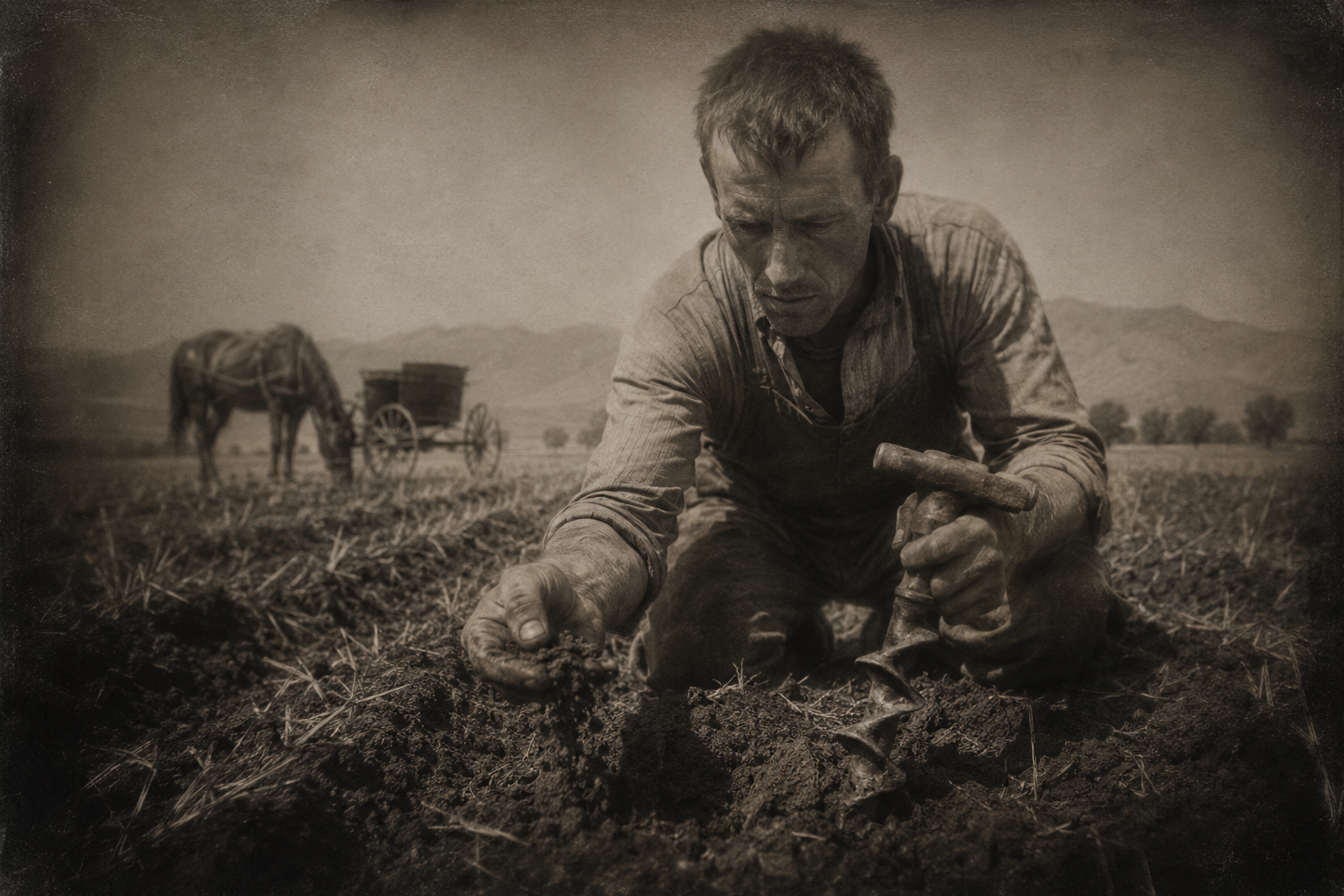
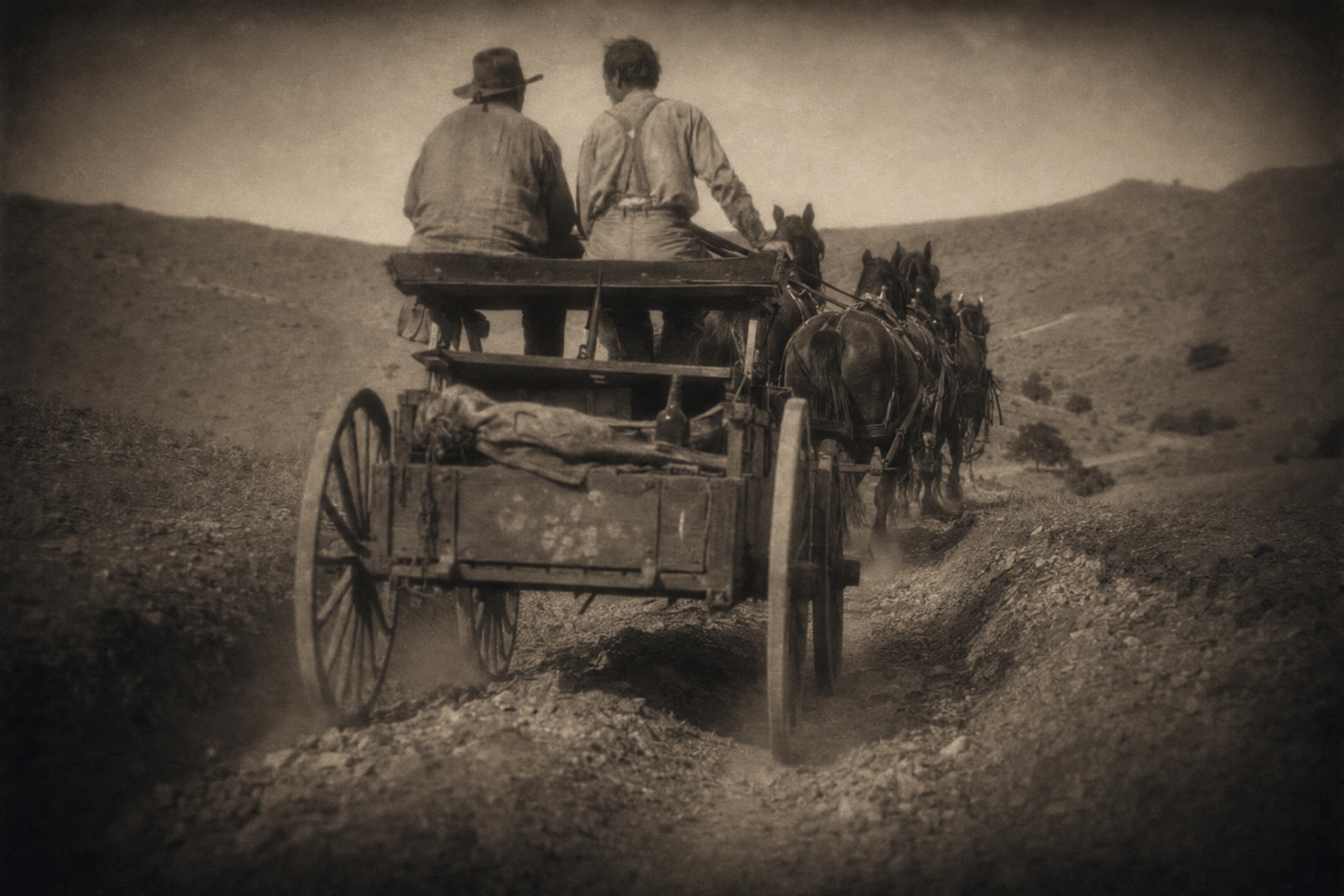
The narrator opens with the "glory" that lights up a man's mind, and his creed: the free, exploring individual mind is the most valuable thing in the world, and any system that limits it must be fought. That glory comes to Adam through Cathy, and it blinds him — he sells his half of the farm to Charles cheap and takes his wife west on the strength of a railroad broadside advertising the Salinas Valley as a heaven. Charles watches the train out, drinks four whiskies and weeps in a whore's arms. In King City Adam finds Cathy nearly bled to death; Dr. Tilson produces the knitting needle, threatens her with prosecution, and is answered with a story about inherited epilepsy. Louis Lippo drives Adam out to Samuel Hamilton's dry hill ranch to ask about water. Samuel talks of hard-pan, dynamite and the valley's future richness, then of the "black violence" he feels in it, and Adam buys the old Sanchez place next day.
Analysis
The creed is stated in the narrator's own voice and then immediately dramatised as its dangerous twin: Adam's glory is real, and it is exactly what stops him seeing his wife. Samuel enters through another man's warning about how to treat him, which fixes his standing in the valley — poor, talkative, worth listening to — before he says a word.
Plates